-
Olive Global Mission
- Reaching People. Exalting Christ through Worship.”
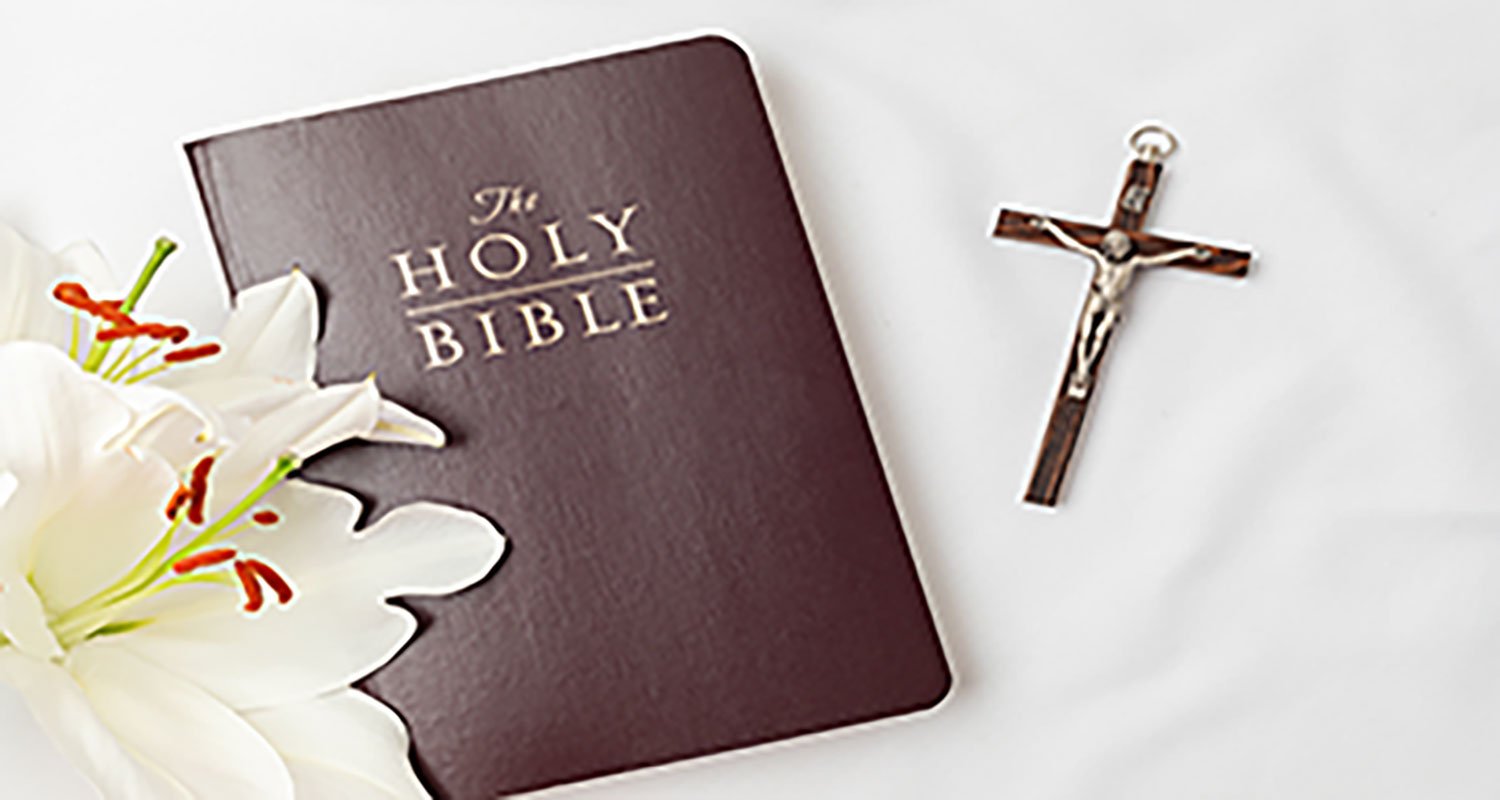
The Gospel isn’t one verse or moment—it’s the heartbeat of all Scripture. From prophecy to fulfillment, from the cross to the empty tomb, it reveals the depth of God’s love and the power of His grace at work in us.
Isaiah foretold it: beautiful are the feet of those who bring good news (Isaiah 52:7).
Jesus declared it: the kingdom of God has come near (Mark 1:14–15).
Paul defined it: the Gospel is the power of God unto salvation (Romans 1:16–17).
He explained it again: Christ died, was buried, and rose again—the foundation of our faith (1 Corinthians 15:1–8).
And he showed how we enter it: confess and believe—for faith opens the door (Romans 10:9–17).
John reminded us why: God so loved the world (John 3:16).
Ephesians teaches how: by grace through faith, not works (Ephesians 2:8–9).
Jesus then sent us out: Go into all the world and preach the good news (Mark 16:15–16).
And John the apostle closed the circle: Love is revealed in the Son who was sent for us (1 John 4:9–10).
These verses are not fragments—they’re one story: God reaching for us.
Here, the Gospel becomes personal, alive, and transforming.
As you read, reflect, and pray with each passage, let the truth settle deep—
that Christ in you is the same good news still being written through your life.
“How beautiful on the mountains are the feet of those who bring good news, who proclaim peace, who bring good tidings, who proclaim salvation, who say to Zion, ‘Your God reigns!’” — Isaiah 52:7
Reflection
This verse paints a picture beyond poetry—it reveals the heart of the Gospel. The messenger climbs the mountain not for recognition but to declare freedom. His feet are called beautiful not because of appearance but because of purpose—they carry the message of peace and salvation.
In Isaiah’s time, this was the announcement that God had not abandoned His people; their captivity was ending. For us, it echoes through Christ—the ultimate messenger and message in one. Jesus’ coming turned every weary step of faith into a pathway of grace. Wherever the Gospel goes, brokenness begins to heal.
To “bring good news” is more than speaking words—it’s carrying God’s presence into dry places. Every believer is called to be that messenger, walking into dark spaces with light, into conflict with peace, into despair with hope. The beauty lies in the obedience that moves us from comfort into calling.
When you carry the Gospel, you don’t just announce that God reigns—you live as proof because He reigns.
Prayer
Lord, make my steps beautiful in Your sight.
Let my life carry Your message—peace where there’s fear, joy where there’s sorrow, and salvation where there’s loss.
Teach me to walk as one sent by You, so that every path I take reveals that You reign.
Takeaway
The Gospel isn’t just spoken; it’s carried.
Every believer’s journey becomes holy ground when walked with purpose and peace.
“After John was put in prison, Jesus went into Galilee, proclaiming the good news of God. ‘The time has come,’ he said. ‘The kingdom of God has come near. Repent and believe the good news!’” — Mark 1:14–15
This moment marks the beginning of Jesus’ public ministry—the turning of divine time. “The time has come” doesn’t mean a clock struck a certain hour; it means heaven’s plan reached its appointed season. What generations had waited for was now walking among them.
Jesus didn’t bring a new philosophy or moral code—He announced a reality: the kingdom of God is here. It’s not distant or theoretical; it’s present, pressing in on the human heart. And His invitation is simple yet radical: Repent and believe.
Repentance isn’t shame; it’s alignment. It means turning from the lesser life we built for ourselves to receive the life God prepared for us. Belief is more than mental agreement—it’s trust that moves the heart to surrender. Together they form the doorway into the kingdom: letting go and stepping in.
When we respond, the Gospel becomes personal. The kingdom draws near not as a concept but as presence—Christ reigning within us. The same call still echoes today: turn from what binds, and believe in what frees.
Lord, awaken my heart to Your timing.
Teach me to turn from what distracts and to trust what You declare.
Let Your kingdom come—not only around me, but within me.
The kingdom of God isn’t something we reach someday—it’s what reaches us now.
Repentance opens the door; faith walks through it
This moment marks the beginning of Jesus’ public ministry—the turning of divine time. “The time has come” doesn’t mean a clock struck a certain hour; it means heaven’s plan reached its appointed season. What generations had waited for was now walking among them.
Jesus didn’t bring a new philosophy or moral code—He announced a reality: the kingdom of God is here. It’s not distant or theoretical; it’s present, pressing in on the human heart. And His invitation is simple yet radical: Repent and believe.
Repentance isn’t shame; it’s alignment. It means turning from the lesser life we built for ourselves to receive the life God prepared for us. Belief is more than mental agreement—it’s trust that moves the heart to surrender. Together they form the doorway into the kingdom: letting go and stepping in.
When we respond, the Gospel becomes personal. The kingdom draws near not as a concept but as presence—Christ reigning within us. The same call still echoes today: turn from what binds, and believe in what frees.
Lord, awaken my heart to Your timing.
Teach me to turn from what distracts and to trust what You declare.
Let Your kingdom come—not only around me, but within me.
The Gospel is not advice—it’s divine power.
Faith doesn’t earn God’s love; it receives it, and that changes everything.
Our doors are open to all, and we warmly invite you to explore the richness of our shared journey. Come, be a part of a community where hearts connect, faith flourishes, and love abounds.
Copyright © 2025, Olive Worship. All rights reserved.